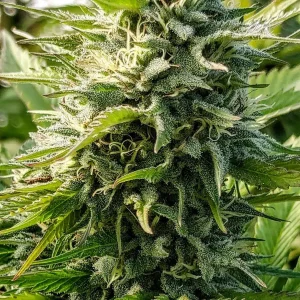

Genetics:
Dutch Treat is a classic indica-leaning hybrid with a long-standing reputation and a genetic background rooted in traditional European and North American cannabis breeding. Known as a staple strain in the Pacific Northwest, Dutch Treat combines Northern Lights #1 with Haze genetics, creating a cultivar that blends classic indica structure with the complexity of old-school sativa influence.
The Northern Lights #1 side of the family tree represents one of the most important indica lineages in cannabis history. Northern Lights genetics are believed to have roots in Afghani landrace varieties, contributing traits such as strong plant structure, dense flowers, and the classic qualities that have made Afghan genetics a foundation of modern cannabis breeding.
The Haze side adds a legendary sativa influence. Haze genetics were developed from a combination of tropical landrace varieties, including influences from Mexican, Colombian, Thai, and South Indian sativas. Haze became one of the most influential sativa families in cannabis history, known for its complex aromas, vigorous growth, and ability to add unique characteristics to hybrid breeding.
Together, these genetics create Dutch Treat, a strain that blends the stability and classic indica traits of Northern Lights with the rich heritage and complexity of Haze. Its family tree connects influential genetics from Afghani, Mexican, Colombian, Thai, and South Indian lineages, making it a true representation of old-school cannabis breeding.
For collectors, breeders, and cannabis enthusiasts, Dutch Treat remains a beloved cultivar because it preserves the history of classic cannabis genetics while showcasing the creativity of hybrid breeding that continues to shape modern strains today.
Terpene Profile:
Dutch Treat terpene profile is a smooth blend of sweet fruit, eucalyptus, pine, and earthy herbs. This balanced combination is often associated with a relaxed body and a happy, mentally clear experience.
- Terpinolene contributes fresh aromas of pine, citrus, herbs, and subtle floral notes and is commonly associated with uplifting, energetic effects.
- Pinene contributes fresh pine, cedar, and herbal aromas and is commonly associated with alertness, mental clarity, and focus while also being studied for its potential anti-inflammatory and bronchodilator properties.
- Myrcene contributes earthy, herbal notes and is often linked to relaxing, calming effects.
- Caryophyllene brings subtle spicy, peppery notes and supports overall wellness through its interaction with the body’s endocannabinoid system.
- Limonene contributes bright citrus aromas with notes of lemon, orange, and grapefruit and is commonly associated with an uplifting, positive mood, stress relief, and potential anti-inflammatory properties.
- Linalool contributes delicate floral, lavender, and lightly sweet aromas and is commonly associated with calming, soothing effects and potential stress-relieving properties.