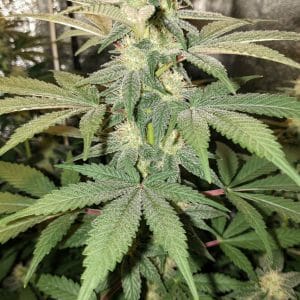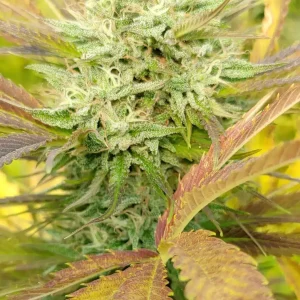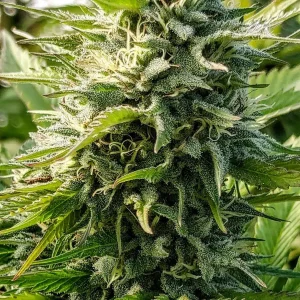

Genetics:
Skunk Ape Scat & Piss is a unique hybrid cannabis strain with a bold name and a genetic background rooted in classic West Coast breeding. This cultivar combines Skunk Ape with Cat Piss, bringing together legendary Skunk genetics, old-school indica influence, and distinctive sativa-leaning traits that reflect the creativity of modern cannabis breeding.
The Skunk Ape side of the family tree is connected to the famous Skunk #1 lineage and is known for its strong connection to classic indica and hybrid genetics. Skunk #1 was created by combining Afghani, Acapulco Gold, and Colombian Gold genetics, making it one of the most influential cannabis breeding foundations in history. These genetics helped shape countless modern cultivars by blending indica stability with tropical and South American sativa characteristics.
The Cat Piss side adds another branch of old-school cannabis heritage. Cat Piss is a name used for several different cultivars, but many versions are associated with Super Silver Haze and other Haze-influenced genetics. Through Haze breeding, this lineage connects to classic Thai, Colombian, Mexican, and South Indian varieties that have played an important role in developing many legendary sativa hybrids.
Together, these genetics create Skunk Ape Scat & Piss, a cultivar that blends classic Skunk, Haze, and landrace-inspired genetics. Its lineage connects to influential cannabis families such as Skunk #1, Afghani, Acapulco Gold, Colombian Gold, Haze, and traditional tropical sativa lines.
With roots in some of cannabis’ most recognizable breeding families, Skunk Ape Scat & Piss represents the adventurous side of cannabis genetics. It is a standout choice for collectors and enthusiasts who appreciate unique cultivars, historic ancestry, and the creativity behind unconventional modern hybrids.
Terpene Profiles:
Skunk Ape Scat & Piss terpene profile is an intensely pungent blend of skunk, diesel, earthy pine, and peppery spice. This old-school profile is often associated with heavy body relaxation and long-lasting physical comfort.
- Myrcene is the dominant terpene, contributing earthy, herbal notes and is often linked to relaxing, calming effects.
- Caryophyllene contributes spicy, peppery notes and is unique because it can interact with the body’s endocannabinoid system.
- Humulene contributes woody, earthy aromas with subtle herbal characteristics and complements the strain’s rich, savory aroma.
- Pinene adds a crisp pine aroma and is associated with promoting alertness and mental clarity.
- Limonene contributes bright citrus aromas with notes of lemon, orange, and grapefruit and is commonly associated with an uplifting, positive mood, stress relief, and potential anti-inflammatory properties.
- Terpinolene contributes fresh, herbal, piney aromas with floral and citrus notes and is commonly associated with uplifting, energetic effects as well as potential antioxidant and calming properties.