
Genetics:
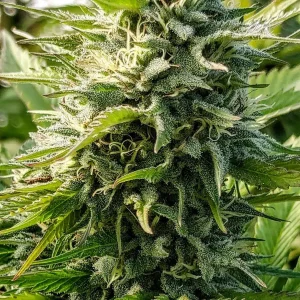
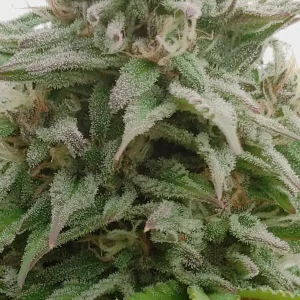
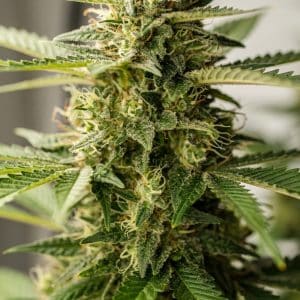
Sherbadough is a modern dessert-style hybrid cannabis strain with a genetic background that combines two highly respected cannabis families: Sunset Sherbet and Dosidos. This pairing brings together the sweet, creamy genetics of the Sherbet family with the powerful Cookie and Kush influence of Dosidos, creating a cultivar with a rich and influential lineage.
The Sunset Sherbet side of the family tree is one of the foundations of modern dessert cannabis breeding. Sunset Sherbet was created by crossing Girl Scout Cookies (GSC) with Pink Panties. Through GSC, this lineage connects to the legendary OG Kush and Durban Poison families, while Pink Panties contributes additional Kush influence and helps shape the sweet, fruity characteristics found in many Sherbet cultivars.
The Dosidos side adds another branch of elite Cookie family genetics. Dosidos was created by crossing Girl Scout Cookies with Face Off OG. This combination brings together the GSC lineage with a powerful OG Kush phenotype, creating one of the most influential modern hybrids used by breeders today.
Together, these genetics create Sherbadough, a cultivar that blends the best of the Sherbet, Cookie, and Kush families. Its lineage includes influential genetics such as Sunset Sherbet, Girl Scout Cookies, Pink Panties, Dosidos, Face Off OG, OG Kush, and Durban Poison.
With roots in some of the most sought-after modern cannabis genetics, Sherbadough represents the evolution of premium dessert-style breeding. It is a standout choice for collectors and enthusiasts who appreciate legendary family lines, carefully selected crosses, and the continued innovation behind today’s elite cannabis cultivars.
Terpene Profiles:
Sherbadough terpene profile is a rich blend of sweet berries, creamy dough, citrus zest, and earthy spice. This dessert-inspired profile is often associated with deeply relaxing body effects while maintaining an uplifted, content mindset.
- Caryophyllene contributes spicy, peppery notes and is unique because it can interact with the body’s endocannabinoid system.
- Limonene provides bright citrus aromas that balance the sweet dessert profile and is commonly associated with an uplifting, positive mood.
- Linalool contributes floral, lavender-like aromas and is often associated with calming, soothing effects.
- Myrcene contributes earthy, herbal notes and is often linked to relaxing, calming effects.
- Humulene contributes earthy, woody, and subtly spicy aromas with herbal, hoppy notes and is commonly associated with anti-inflammatory properties and potential appetite-suppressing effects.
- Pinene contributes fresh pine, cedar, and herbal aromas and is commonly associated with alertness, mental clarity, and focus while also being studied for its potential anti-inflammatory and bronchodilator properties.