Sale!
,

Peanut Butter Breath

Peanut Butter Breath Cannabis Seed Traits:
Strain:
Peanut Butter Breath
Strain Type:  Indica-dominant hybrid
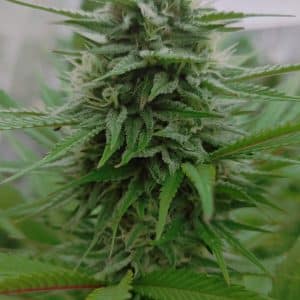
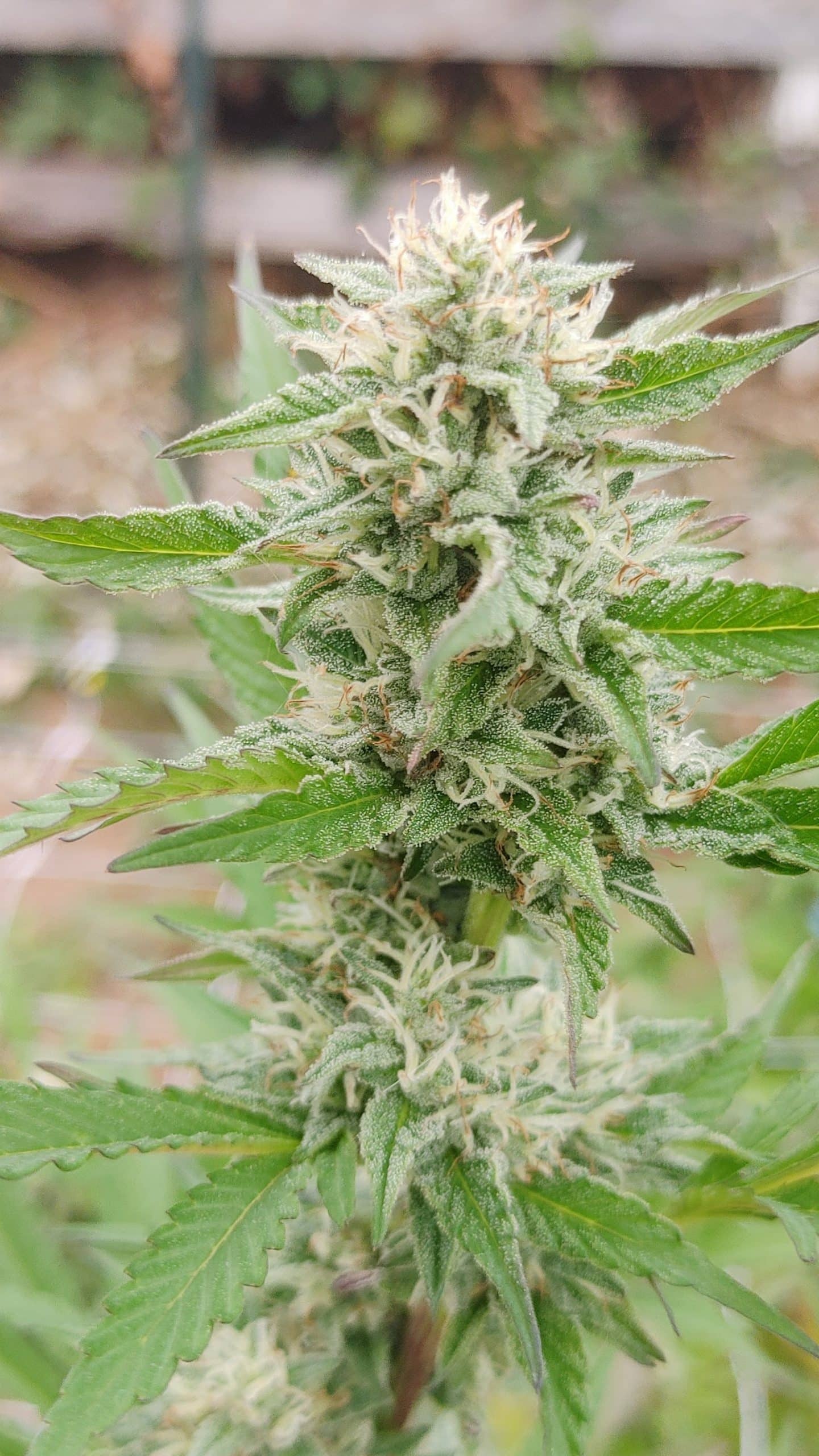
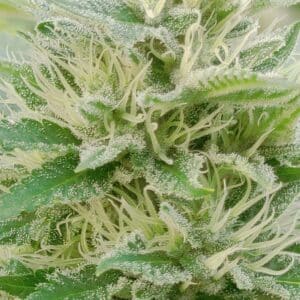
Phenotype:  Medium-height plant with compact growth, dense resinous buds, broad leaves, and heavy trichome coverage. Flowers are typically bright to dark green with orange pistils
Seed Type:  Photoperiod
Flowering Time:  Approximately 8–10 weeks indoors
Genetic Lineage:  Cross between Peanut Butter Breath and a dessert-oriented hybrid lineage
Aroma/Flavor:  Creamy peanut butter, roasted nuts, chocolate, earthy herbs, sweet dough, and subtle diesel undertones
Terp Profile: B-Caryophyllene, Myrcene, Limonene
Secondary Terpenes: Linalool, Humulene, Pinene
Medicinal Uses: * Individual experiences and responses may vary.
May help with sleep & pain, anxiety & pain, inflammation & anxiety, chronic pain, arthritis/ joint pain, fibromyalgia, depression, relaxation (high-terpene, indicas, dessert-style, non-psychoactive, myrcene)
Balanced cannabinoids
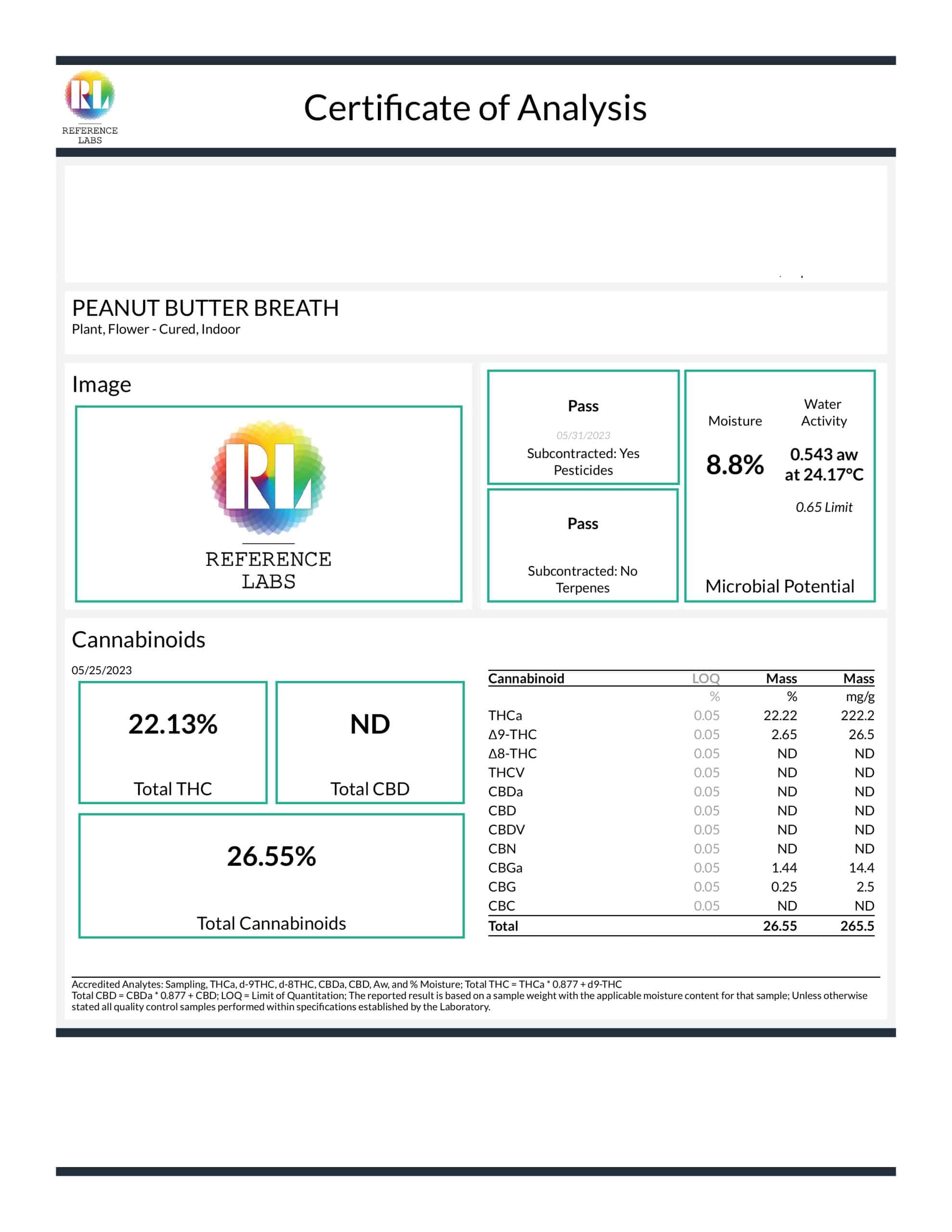
Our Test Results: 18-28% Average THC, 1.44% CBGA

- +

Genetics:

Peanut Butter Breath is a legendary indica-dominant hybrid with a genetic background that combines two of the most influential modern cannabis families: Dosidos and Mendo Breath. This pairing brings together elite Cookie, OG Kush, and Mendocino genetics, creating a cultivar that has become a favorite among collectors, breeders, and cannabis enthusiasts.

The Dosidos side of the family tree was created by crossing Girl Scout Cookies (GSC) with Face Off OG. Through GSC, Dosidos carries the legendary influence of OG Kush and Durban Poison, while Face Off OG adds another branch of classic Kush genetics. This combination helped establish Dosidos as one of the defining strains of the modern Cookie family.

The Mendo Breath side adds a rich Mendocino heritage and is commonly recognized as a cross between OG Kush Breath (OGKB) and Mendo Montage. OGKB strengthens the connection to the OG Kush family, while Mendo Montage contributes the influence of Mendo Purps and classic Mendocino breeding lines, adding another layer of elite California genetics.

Together, these genetics create Peanut Butter Breath, a cultivar that blends the best of the Cookie, Kush, and Mendocino families. Its lineage includes influential genetics such as Girl Scout Cookies, Face Off OG, OG Kush, Durban Poison, OG Kush Breath (OGKB), Mendo Montage, and Mendo Purps.

With roots in some of the most celebrated cannabis genetics of the modern era, Peanut Butter Breath represents the evolution of boutique cannabis breeding. It remains a standout choice for collectors and enthusiasts who appreciate exceptional lineage, carefully selected parent strains, and the continued innovation behind today’s premium hybrid cultivars.

Terps:

The three primary terpenes found in “Peanut Butter Breath” include:

1. Limonene, a terpene known for its citrusy and lemon-like aroma. It is also found in high concentrations in various citrus fruits like oranges, lemons, and limes. In cannabis, Limonene contributes to strains with a bright, zesty, and refreshing scent. Beyond its pleasant aroma, Limonene is believed to offer potential health benefits, such as mood elevation, stress relief, and improved focus. Some studies suggest that Limonene may possess anti-inflammatory and antioxidant properties.

2. Valencene, a less common terpene found in hemp, its name is derived from the Valencia orange, as it shares a similar orange-like scent. This terpene is responsible for the fruity and sweet notes in some hemp strains. Valencene is not as extensively studied as other terpenes, but it is believed to contribute to the entourage effect, where the combined presence of various compounds in cannabis enhances the overall therapeutic potential of the plant.

3. Caryophyllene, also known as beta-caryophyllene, is one of the most abundant terpenes in hemp and is found in significant quantities in other plants like black pepper and cloves. What sets Caryophyllene apart is its ability to interact with the body’s endocannabinoid system, specifically by binding to CB2 receptors, just like cannabinoids such as CBD (cannabidiol). This makes Caryophyllene unique among terpenes, as it can have potential anti-inflammatory and analgesic effects. The aroma of Caryophyllene is often described as spicy, peppery, and woody, adding depth to the overall flavor profile of “Peanut Butter Breath.”

Please note that the terpene profile of any strain, can be influenced by various factors, including genetics, growing conditions, cultivation techniques and post-harvest curing methods.

 

rowth Style: Peanut Butter Breath typically grows into a medium-height plant with a sturdy frame, strong lateral branching, and a naturally bushy structure. It tends to develop a broad canopy with dense foliage and responds well to topping, low-stress training (LST), and Screen of Green (ScrOG) techniques. Early training helps improve light distribution, increase airflow, and maximize productive flowering sites.

Climate & Environment: This cultivar prefers a warm, stable environment with consistent airflow and moderate humidity. Due to its dense, resin-heavy flowers and thick canopy, maintaining relative humidity around 40–50% during late flowering helps support healthy bud development and reduces the risk of moisture-related issues.

Indoor Growing: Peanut Butter Breath performs very well indoors under strong LED or HID lighting. Its compact-to-medium structure makes it manageable in controlled environments, while regular pruning and selective defoliation help open the canopy, improve airflow, and allow light to reach lower flowering sites. Proper spacing between plants is beneficial due to its naturally dense growth.

Outdoor Growing: Outdoors, Peanut Butter Breath thrives in full sun with nutrient-rich, well-draining soil. With enough root space and proper support, it can develop into a vigorous, productive plant with heavy, resin-coated flowers. Good airflow and protection from prolonged damp conditions are especially helpful during late flowering.

Training & Pruning: Early topping encourages multiple main colas and helps create a wider, more productive canopy. Low-stress training (LST), ScrOG, and selective removal of lower growth and interior foliage improve structure and direct energy toward larger, denser flowers. Branch support may be helpful as buds gain weight during the final stages of flowering.

Nutrients: Peanut Butter Breath responds well to a balanced feeding program. During vegetative growth, emphasize strong root development, healthy foliage, and sturdy branch formation. During flowering, gradually increase phosphorus and potassium to encourage dense flower production, resin development, and terpene expression while reducing excess nitrogen late in the cycle to support final ripening.

Flowering Time: Peanut Butter Breath typically finishes flowering in approximately 8–9 weeks indoors, with outdoor harvests generally occurring from late September to early October, depending on phenotype and local growing conditions.

Harvest Tips: Peanut Butter Breath produces dense, highly resinous flowers that benefit from careful airflow management during the final weeks of flowering. Allowing the plant to fully mature before harvest helps maximize trichome production, aroma, flavor depth, and overall flower quality. A slow dry and proper cure enhance its signature nutty, earthy, sweet, and gassy terpene profile.

Grower Experience Level: Peanut Butter Breath is best suited for intermediate growers, although patient beginners can achieve excellent results with proper environmental control and basic training techniques. Managing canopy density, airflow, and heavy flower development are key factors in bringing out its full potential.

Overall Growing Profile: Peanut Butter Breath is a flavorful, resin-rich cultivar that rewards growers with strong structure, reliable production, and exceptional flower quality. With proper canopy management, balanced nutrition, and careful environmental control, this cultivar produces dense, aromatic buds with heavy trichome coverage, excellent bag appeal, and a distinctive nutty, earthy, and dessert-like terpene expression.

Amount

1 Seed, 3 Seeds, 6 Seeds, 10 Seeds, 20 Seeds, 30 Seeds

Scroll to Top