
Genetics:
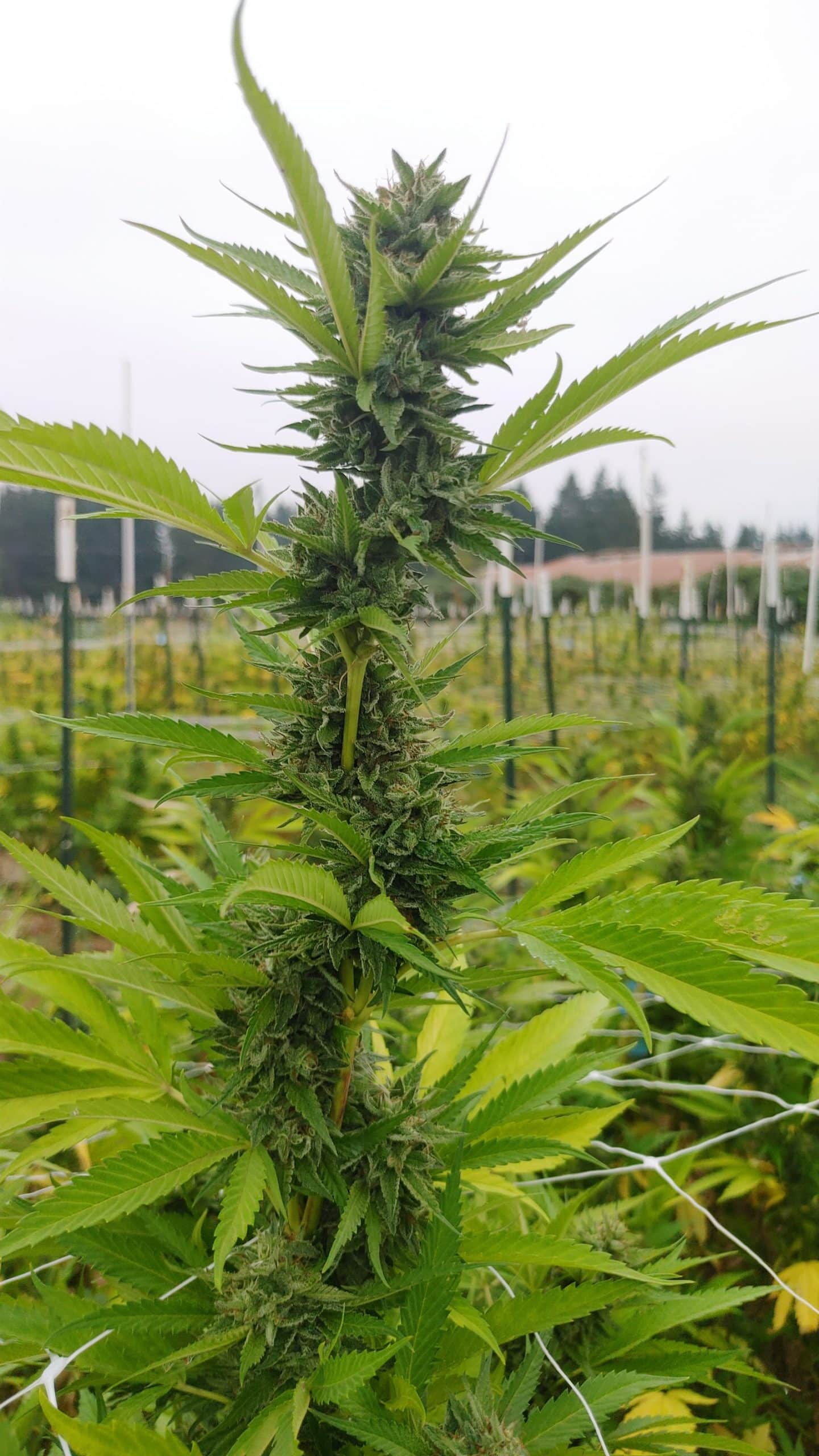
Ghost Train Haze is a legendary sativa-dominant hybrid with a genetic background that combines two powerful cannabis families: Ghost OG and Neville’s Wreck. This pairing brings together the classic Kush influence of OG genetics with the rich sativa heritage of Haze, creating a cultivar that represents the best of both worlds.
The Ghost OG side of the family tree comes from the legendary OG Kush lineage. OG Kush is believed to have connections to Chemdawg, Lemon Thai, and Hindu Kush genetics, giving Ghost OG its foundation of classic Kush traits. These genetics have shaped countless modern hybrids and are known for their earthy, citrus, and fuel-like characteristics.
The other parent, Neville’s Wreck, combines Neville’s Haze and Trainwreck genetics. Neville’s Haze carries the influence of classic Haze breeding, with roots connected to Colombian, Mexican, Thai, and South Indian sativa varieties. Trainwreck adds another layer of history, bringing together Mexican, Thai, and Afghani genetics to create a balanced hybrid background.
Together, these genetics create Ghost Train Haze, a strain with a family tree that stretches across some of the most influential cannabis lineages in history. Its ancestry includes OG Kush, Chemdawg, Hindu Kush, Lemon Thai, Haze, Trainwreck, and classic landrace sativa genetics.
With roots in both legendary Kush and Haze families, Ghost Train Haze represents the creativity of modern cannabis breeding. It remains a highly respected cultivar among collectors, breeders, and cannabis enthusiasts who appreciate complex genetics, rich heritage, and the continued evolution of elite hybrid strains.
Terpene Profile:
Ghost Train Haze terpene profile is an intense blend of citrus, pine, fresh herbs, and floral spice. This energetic combination is often associated with creativity, focus, and an uplifting cerebral experience.
- Terpinolene contributes fresh aromas of pine, citrus, herbs, and subtle floral notes and is commonly associated with uplifting, energetic effects.
- Limonene provides bright citrus aromas and is commonly associated with an uplifting, positive mood.
- Pinene contributes fresh pine, cedar, and herbal aromas and is commonly associated with alertness, mental clarity, and focus while also being studied for its potential anti-inflammatory and bronchodilator properties.
- Ocimene contributes sweet, herbal aromas and is often associated with an energizing, refreshing character.
- Caryophyllene contributes spicy, peppery aromas with warm, woody undertones and is unique for its ability to interact with the body’s endocannabinoid system while also being commonly associated with anti-inflammatory properties.
- Myrcene contributes earthy, herbal, and musky aromas with subtle notes of cloves and ripe fruit and is commonly associated with deep relaxation, calming effects, and potential anti-inflammatory properties.


