Genetics:
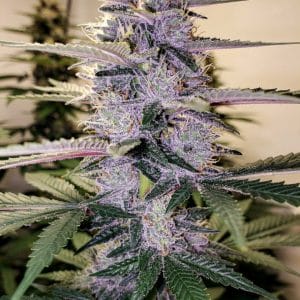
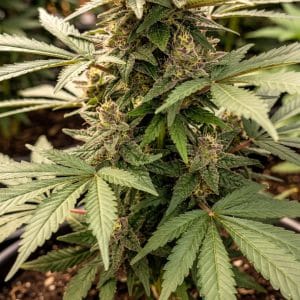
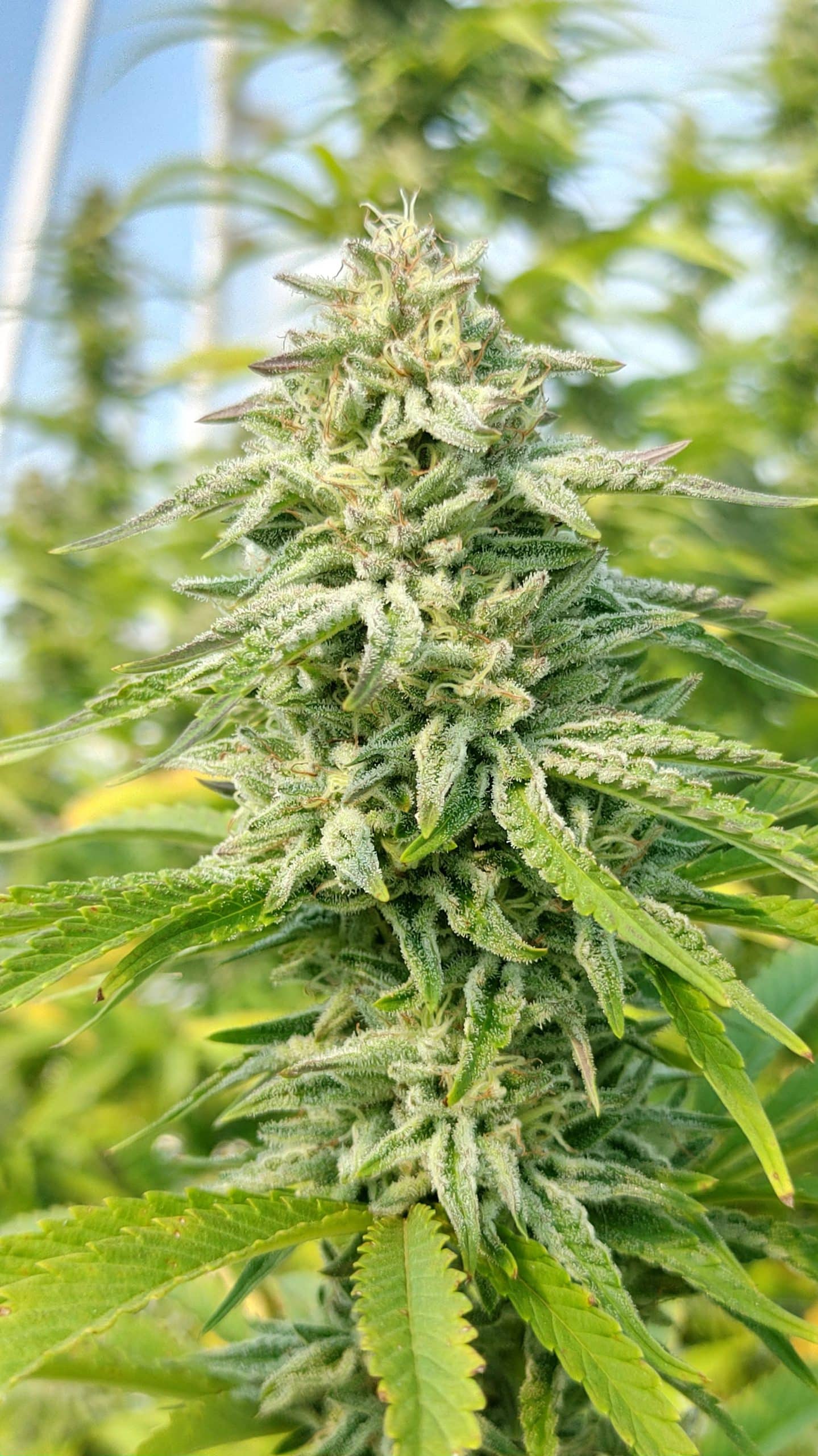
Chem Cookies is a powerful hybrid that combines two legendary cannabis families: Chemdawg and Girl Scout Cookies (GSC). This pairing brings together the classic fuel-forward characteristics of the Chem family with the sweet, dessert-like qualities of Cookie genetics, creating a strain with a deep and influential family tree.
The Chemdawg side of the lineage is one of the most important foundations in modern cannabis breeding. While its exact origins remain a mystery, Chemdawg is believed to have connections to Thai and Nepalese landrace genetics. It is also the genetic foundation behind some of today’s most famous strains, including OG Kush and Sour Diesel, making it one of the most influential cultivars in cannabis history.
The other parent, Girl Scout Cookies (GSC), is a legendary hybrid created from OG Kush and Durban Poison. GSC helped launch the modern Cookie family and is known for passing along exceptional resin production, unique flavor profiles, and elite hybrid characteristics. Through its OG Kush heritage, GSC also carries the influence of Chemdawg genetics, creating an even deeper connection between these two parent lines.
Together, these genetics create Chem Cookies, a strain that blends old-school Chem heritage with modern Cookie breeding. Its family tree includes iconic genetics such as Chemdawg, OG Kush, Sour Diesel, Girl Scout Cookies, and Durban Poison. With roots connected to some of the most influential cannabis varieties of the past several decades, Chem Cookies represents the continued evolution of classic genetics into new and exciting hybrids.
Terpene Profile:
Chem Cookies terpene profile is a pungent combination of diesel, sweet cookies, earthy herbs, and peppery spice. This robust blend is often associated with relaxing body effects balanced by an uplifted, content mood.
- Caryophyllene contributes spicy, peppery notes and is unique because it can interact with the body’s endocannabinoid system.
- Limonene provides bright citrus aromas that balance the rich diesel and cookie flavors while promoting a positive mood.
- Myrcene contributes earthy, herbal notes and is often linked to relaxing, calming effects.
- Humulene adds woody, earthy aromas with subtle herbal characteristics and is being studied for its potential anti-inflammatory properties.
- Pinene contributes fresh pine, cedar, and herbal aromas and is commonly associated with alertness, mental clarity, and focus while also being studied for its potential anti-inflammatory and bronchodilator properties.
- Linalool contributes delicate floral, lavender, and lightly sweet aromas and is commonly associated with calming, soothing effects and potential stress-relieving properties.