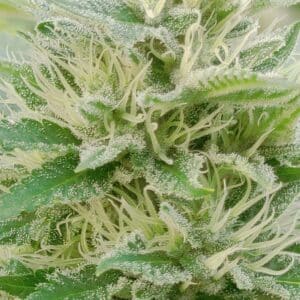

Kashmir Kush is a classic indica-dominant cannabis strain with roots in one of the world’s most respected cannabis regions. This cultivar is connected to the traditional Kashmir landrace lineage, bringing old-world Himalayan genetics into modern cannabis breeding.
The Kashmir side of the family tree comes from the Kashmir region of the Himalayan mountain range, an area historically known for producing unique cannabis varieties valued for their resin production, adaptability, and traditional hash-making heritage. Kashmir landrace genetics represent some of the older cannabis lines preserved before modern hybridization became widespread.
Kashmir Kush carries the influence of classic indica genetics, which are believed to have developed across the mountainous regions of Central and South Asia, including areas such as Afghanistan, Pakistan, and India. These traditional varieties have played a major role in creating many modern Kush strains and are known for contributing strong structure, dense flowers, and rich resin production.
As part of the broader Kush family, Kashmir Kush represents a connection to the original cannabis genetics that helped shape today’s indica and hybrid cultivars. Its heritage is tied to historic Himalayan breeding lines and the preservation of regional cannabis varieties that have been cultivated for generations.
For collectors and cannabis enthusiasts, Kashmir Kush stands out as a strain that celebrates cannabis history, showcasing the importance of landrace genetics and the foundational role that traditional Asian cannabis varieties continue to play in modern breeding.