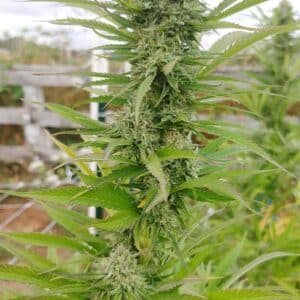
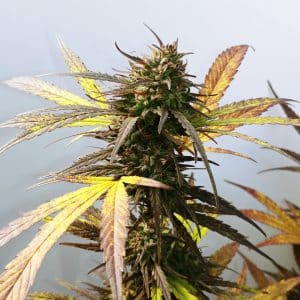
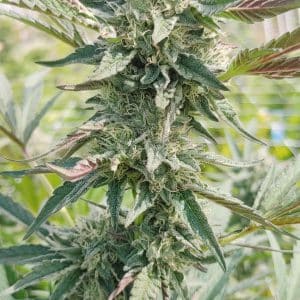
Growth Style: Tahitian Blueberry typically grows into a medium-height plant with vigorous lateral branching, a sturdy frame, and a naturally bushy, well-balanced structure. It develops abundant flower-producing branches and responds exceptionally well to topping, low-stress training (LST), and Screen of Green (ScrOG) techniques. Early canopy management improves light penetration, increases airflow, and encourages the development of multiple large, resin-rich colas.
Climate & Environment: This cultivar performs best in a warm, stable environment with consistent airflow and moderate humidity. As Tahitian Blueberry develops dense, trichome-covered flowers during late bloom, maintaining relative humidity around 40–50% helps support healthy bud development while minimizing the risk of moisture-related issues.
Indoor Growing: Tahitian Blueberry thrives indoors under high-quality LED or HID lighting. Its manageable size and vigorous branching make it an excellent choice for grow tents and controlled indoor environments. Regular pruning and selective defoliation improve airflow, enhance light penetration, and promote even flower development throughout the canopy.
Outdoor Growing: Outdoors, Tahitian Blueberry flourishes in full sun with fertile, well-draining soil and a consistent feeding program. Given ample root space and favorable growing conditions, it develops into a productive plant capable of producing abundant, resin-coated flowers. Trellising or staking during late flowering is recommended to support branches carrying heavy, mature buds.
Training & Pruning: Early topping encourages multiple dominant colas and creates a broader, more productive canopy. Low-stress training (LST), ScrOG, and selective removal of lower growth and interior foliage improve airflow, optimize light distribution, and direct the plant’s energy toward producing larger, denser flowers. Additional branch support during the final weeks of flowering helps maintain plant structure and maximize yields.
Nutrients: Tahitian Blueberry responds well to a balanced feeding program throughout its life cycle. During vegetative growth, prioritize healthy root development, vigorous foliage, and sturdy branch formation. During flowering, gradually increase phosphorus and potassium to encourage dense flower production, abundant resin development, and enhanced terpene expression while reducing excess nitrogen late in bloom to support proper ripening and optimal flower quality.
Flowering Time: Tahitian Blueberry typically finishes flowering in approximately 8–9 weeks indoors, with outdoor harvests generally occurring from late September through early October, depending on phenotype and local growing conditions.
Harvest Tips: Tahitian Blueberry produces exceptionally resinous flowers that benefit from excellent airflow during the final weeks of flowering. Allowing plants to fully mature before harvest helps maximize trichome production, terpene intensity, aroma, flavor complexity, and overall flower quality. A slow dry followed by a careful cure enhances its vibrant terpene profile, preserving notes of ripe blueberry, tropical fruit, sweet berries, citrus, creamy sweetness, and subtle earthy undertones.
Grower Experience Level: Tahitian Blueberry is well suited for beginner to intermediate growers. Its vigorous growth, sturdy structure, and excellent response to training techniques make it forgiving for newer cultivators while providing experienced growers with outstanding opportunities to maximize yield, resin production, and terpene expression.
Overall Growing Profile: Tahitian Blueberry is a dependable, high-resin cultivar that consistently rewards growers with vigorous growth, abundant flower production, and exceptional bag appeal. With proper canopy management, balanced nutrition, and stable environmental conditions, it produces dense, frosty buds with a vibrant terpene profile highlighted by ripe blueberry, tropical fruit, sweet berries, citrus, creamy sweetness, and subtle earthy notes.